Custom Embroidered Patches Guide for Beginners
By henryphilip
300 Views
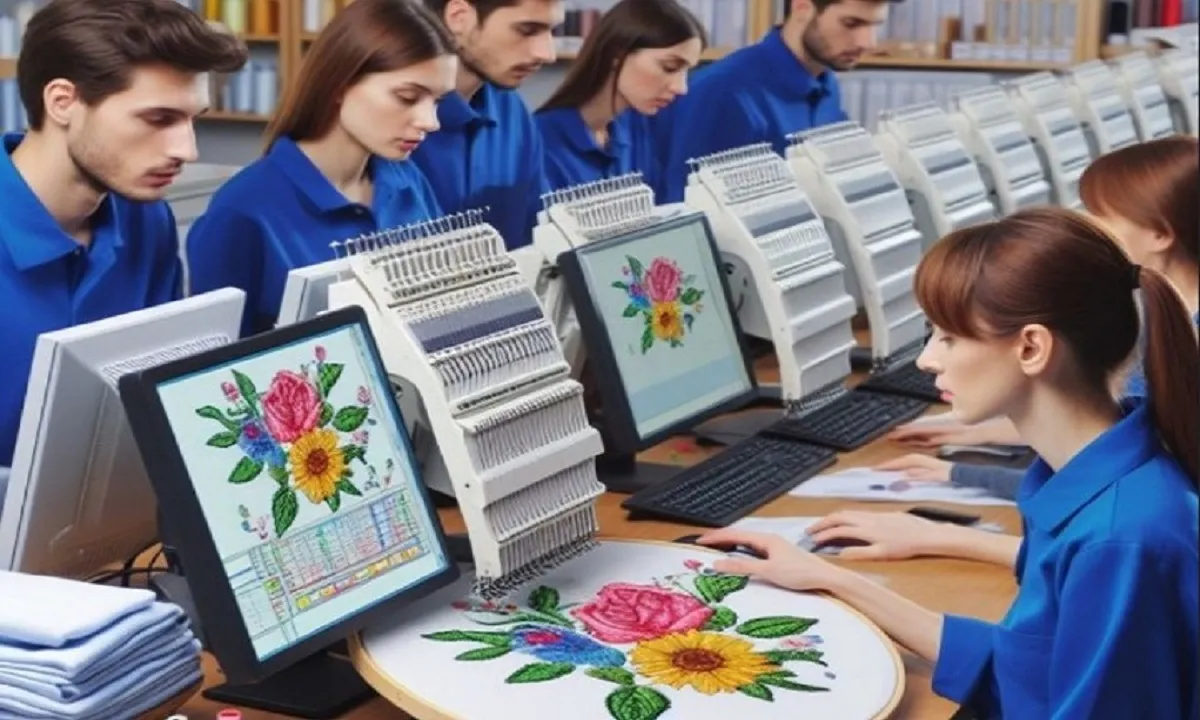
Custom Embroidered Patches Guide
Custom embroidered patches are everywhere today. You can spot them on jackets, backpacks, uniforms, hats, and even sneakers. They add personality, branding, and creativity to almost anything fabric-based.
But if you are new to patches, the process can feel confusing. What type of patch should you choose? Which backing works best? How do you make sure the design looks clean and professional?
This Custom Embroidered Patches Guide will walk you through everything in simple terms. Whether you want patches for a business, sports team, fashion brand, or personal project, this guide will help you make smart choices.
What Are Custom Embroidered Patches?
Custom embroidered patches are fabric pieces stitched with thread to create logos, text, or artwork. Instead of printing a design directly onto clothing, the design is embroidered onto a patch and then attached to the item.
Think of patches like wearable mini artworks. They can make a plain jacket look stylish or help a company uniform look more professional.
People use embroidered patches for:
- Company branding
- School uniforms
- Military and biker clubs
- Fashion and streetwear
- Sports teams
- Events and promotions
- Personal collections
Why Custom Embroidered Patches Are So Popular
Patches have been around for decades, but they are more popular than ever because they combine style with function.
They Add Personality
A custom patch can instantly make an item feel unique. A simple backpack becomes more personal with a cool embroidered badge.
They Last a Long Time
High-quality embroidery is durable. Unlike some printed designs, embroidered threads can handle wear and washing better.
They Look Professional
Businesses and organizations often use patches because they create a polished and consistent appearance.
They Are Easy to Apply
Modern patch backings make application simple. Some can even be ironed on at home in minutes.
Types of Custom Embroidered Patches
Not all patches are the same. Choosing the right type depends on your design, budget, and purpose.
Fully Embroidered Patches
These patches are covered almost completely with thread.
They offer:
- Rich texture
- Bold appearance
- Premium feel
This style works well for logos, badges, and traditional designs.
Partial Embroidery Patches
These patches leave some fabric visible in the background.
They are ideal for:
- Simple artwork
- Minimalist designs
- Budget-friendly orders
Printed and Embroidered Combination Patches
Some detailed designs are difficult to stitch fully. In that case, a printed base with embroidered details can work beautifully.
This option helps capture:
- Tiny details
- Gradients
- Complex artwork
Choosing the Right Patch Backing
The backing is what helps attach the patch to clothing or accessories. Each type has different benefits.
Iron-On Backing
Iron-on patches are popular because they are easy to apply at home.
Best for:
- Casual clothing
- Fashion patches
- DIY projects
Velcro Backing
Velcro patches can be removed and replaced easily.
Perfect for:
- Tactical gear
- Uniforms
- Sports apparel
Sew-On Backing
This is the most durable option.
Recommended for:
- Work uniforms
- Heavy-use clothing
- Long-term wear
Adhesive Backing
These are temporary peel-and-stick patches.
Great for:
- Events
- Short-term promotions
- Quick applications
How to Design a Great Embroidered Patch
A good patch design is simple, clear, and easy to stitch.
Keep the Design Clean
Tiny details may not stitch well. Bold lines and readable text usually produce the best results.
Use Strong Color Contrast
Choose thread colors that stand out from the background fabric.
For example:
- White text on black fabric
- Gold stitching on navy fabric
Choose the Right Shape
Popular patch shapes include:
- Circle
- Rectangle
- Shield
- Oval
- Custom die-cut shapes
A shape should match your design naturally.
Pick the Right Border
Borders help patches look neat and prevent fraying.
Common options include:
- Merrow border
- Heat-cut border
- Satin stitch border
Best Fabrics for Embroidered Patches
The patch base material matters more than many people realize.
Twill Fabric
This is the most common option because it is durable and smooth for stitching.
Felt Fabric
Felt gives patches a classic vintage look.
Canvas Material
Canvas works well for rugged outdoor-style patches.
Where Custom Embroidered Patches Are Used
Custom patches are surprisingly versatile.
Business Branding
Companies use embroidered logo patches on uniforms and promotional products.
Fashion and Streetwear
Patches are a huge trend in modern fashion. Denim jackets with custom embroidery patches are especially popular.
Sports Teams
Teams often use patches for:
- Player identification
- Team branding
- Championship celebrations
Clubs and Organizations
Motorcycle clubs, scouts, and community groups frequently use custom badges and embroidered emblems.
How to Apply Embroidered Patches Correctly
Applying patches the right way helps them last longer.
Iron-On Method
- Preheat the iron
- Place the patch where desired
- Cover with a thin cloth
- Press firmly for 20–30 seconds
- Let it cool before checking
Sewing Method
Sewing provides stronger attachment and works better for heavy fabrics.
Use:
- Matching thread color
- Tight stitching around the edge
- Reinforced corners for durability
Common Mistakes to Avoid
Many beginners make simple patch mistakes that affect quality.
Using Too Much Detail
Small text and complex artwork may become blurry in embroidery.
Choosing Weak Backing
If the patch will be washed often, adhesive backing alone may not hold up well.
Ignoring Fabric Compatibility
Some fabrics work better with sewn patches than iron-on patches.
Ordering Without Testing
Always request a sample or digital preview before large orders.
Tips for Ordering High-Quality Custom Embroidered Patches
If you want professional-looking results, pay attention to quality details.
Check Stitch Density
Higher stitch density usually creates a cleaner and more premium appearance.
Review Thread Colors Carefully
Colors can look different on screens versus actual thread.
Ask About Border Finishing
A clean border improves durability and appearance.
Work With Experienced Digitizers
Professional digitizing is the foundation of great embroidery. Poor digitizing can ruin even the best artwork.
At Digitizing Buddy, experienced embroidery digitizers help convert artwork into clean stitch-ready files for professional patch production.
Are Custom Embroidered Patches Worth It?
Absolutely. Custom embroidered patches are affordable, durable, stylish, and versatile.
They help businesses build brand identity while giving individuals a fun way to express creativity.
Whether you want a professional logo patch or a cool fashion accessory, embroidered patches offer a timeless look that never really goes out of style.
Conclusion
Custom patches are much more than simple fabric decorations. They tell stories, represent brands, and add personality to clothing and accessories.
This Custom Embroidered Patches Guide covered everything from patch types and backing options to design tips and application methods. The key is to keep designs clean, choose the right materials, and work with skilled embroidery professionals.
If you invest in quality digitizing and thoughtful design, your custom embroidered patches can look impressive and last for years.
FAQs
What is the best backing for custom embroidered patches?
Sew-on backing is the most durable option, while iron-on backing is best for quick and easy application.
How long do embroidered patches last?
High-quality embroidered patches can last for years with proper care and secure attachment.
Can embroidered patches be washed?
Yes, most embroidered patches are washable. Sew-on patches generally handle frequent washing better than adhesive-backed patches.
What fabric works best for embroidered patches?
Twill fabric is the most popular because it is durable and provides a smooth embroidery surface.
Why is digitizing important for embroidered patches?
Digitizing converts artwork into embroidery stitch files. Good digitizing ensures clean stitching, sharp details, and professional patch quality.