Category

Business & Finance

Comprehensive discussions and expert insights revolving around business & finance trends and best practices.

May 18, 2026 41 Reads

Types of Coating Used For Packaging

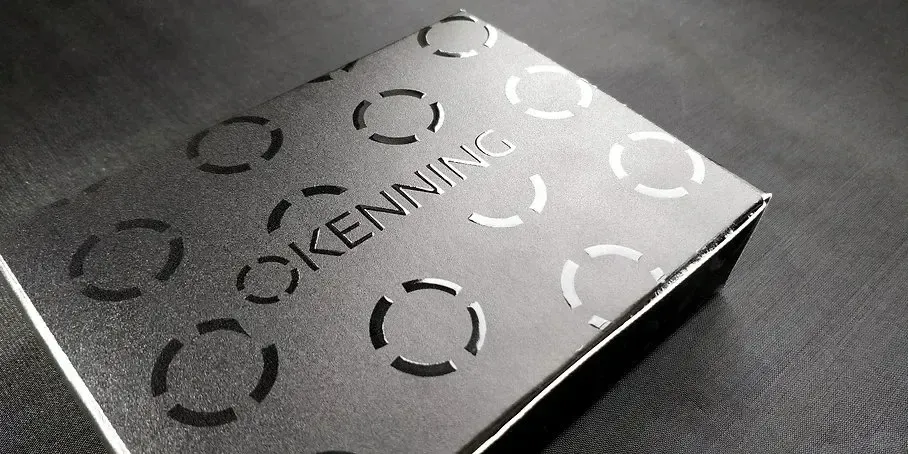
Packaging plays a critical role in product protection, branding, shelf appeal, and customer experience. Modern packaging is no longer limited to structural design alone. The finishing and coating applied to packaging materials directly influence durability, appearance, texture, moisture resistance, and printing quality. Businesses across industries rely on specialized coatings to improve packaging performance and create a premium presentation that attracts customers instantly.Understanding the different types of coating used for packaging helps manufacturers, retailers, and brand owners choose the ideal finishing solution for their products. From glossy finishes that create a luxurious shine to protective coatings that extend shelf life, packaging coatings have become an essential component of modern packaging production.What Are Packaging Coatings?Packaging coatings are protective or decorative layers applied to packaging materials such as cardboard, paperboard, corrugated boxes, labels, cartons, and flexible packaging. These coatings improve the physical and visual properties of packaging while also adding resistance against environmental damage, scratches, oils, moisture, and chemicals.Coatings can be applied during printing or after the printing process using specialized coating techniques, and what is UV coating? They are widely used in industries including cosmetics, food, pharmaceuticals, electronics, retail, and luxury goods packaging.Importance of Coatings in PackagingPackaging coatings provide several important advantages for businesses and consumers alike. These benefits include:Enhanced visual appealIncreased product protectionImproved resistance to moisture and greaseBetter print durabilityScratch resistanceUV protectionExtended shelf lifeImproved customer experiencePremium branding presentationBrands that invest in high-quality coating solutions often achieve stronger market visibility and better consumer engagement.Common Types of Coating Used For PackagingThere are several packaging coating options available in the market. Each coating serves unique purposes depending on packaging requirements, product type, and branding goals.Gloss CoatingGloss coating is one of the most popular finishing options in the packaging industry. It creates a smooth, reflective, and shiny surface that enhances color vibrancy and graphic sharpness.Features of Gloss CoatingHigh shine and reflective finishBrightens printed colorsSmooth surface texturePremium appearanceBenefits of Gloss CoatingGloss coating improves visual impact and makes packaging stand out on retail shelves. It is especially effective for cosmetic packaging, electronics boxes, luxury products, and promotional packaging.Best ApplicationsCosmetic boxesRetail packagingProduct catalogsLuxury gift packagingFood cartonsMatte CoatingMatte coating offers a soft, non-reflective surface that gives packaging an elegant and sophisticated appearance. Unlike gloss coating, matte finishes reduce glare and create a refined texture.Features of Matte CoatingSmooth velvety textureNon-glossy finishSoft appearanceModern premium styleBenefits of Matte CoatingMatte coatings are ideal for luxury branding because they communicate exclusivity and sophistication. They also improve readability by reducing light reflection.Best ApplicationsPremium product boxesLuxury packagingPerfume boxesJewelry packagingHigh-end electronicsUV CoatingUV coating is a highly durable coating cured instantly using ultraviolet light. It creates a hard protective layer that offers excellent resistance to scratches and abrasions.Types of UV CoatingSpot UV CoatingSpot UV applies gloss coating only to selected design areas such as logos, graphics, or text.AdvantagesCreates contrast and textureEnhances branding elementsPremium visual effectExcellent shelf appealFull UV CoatingFull UV coating covers the entire packaging surface with a glossy protective finish.AdvantagesSuperior shineStrong durabilityExcellent protectionImproved print qualityIndustries Using UV CoatingsCosmetic industryLuxury retailPharmaceutical packagingElectronic productsPromotional packagingAqueous CoatingAqueous coating is a water-based protective coating commonly used in commercial printing and packaging production. It is environmentally friendly and dries quickly.Advantages of Aqueous CoatingEco-friendly solutionFast drying timeResistant to fingerprintsLow odorCost-effectiveTypes of Aqueous CoatingGloss Aqueous CoatingProvides moderate shine while maintaining environmental sustainability.Matte Aqueous CoatingCreates a soft finish with eco-friendly characteristics.Satin Aqueous CoatingOffers a balance between gloss and matte finishes.ApplicationsFood packagingPharmaceutical cartonsFolding cartonsCorrugated packagingVarnish CoatingVarnish coating is a traditional packaging finish applied to printed materials for added protection and visual enhancement. It can be applied inline during printing.Types of Varnish CoatingGloss VarnishEnhances brightness and sharpness.Matte VarnishCreates a subtle, elegant finish.Satin VarnishCombines moderate shine with soft texture.Benefits of Varnish CoatingEconomical optionImproves durabilityEnhances graphicsFast production processCommon UsesProduct labelsBrochuresFolding cartonsRetail packagingSoft Touch CoatingSoft touch coating creates a velvety tactile feel that enhances customer interaction with the packaging. It is often associated with luxury and premium branding.Characteristics of Soft Touch CoatingSmooth velvet textureElegant appearanceLuxurious customer experienceFingerprint resistanceIndustries That Prefer Soft Touch CoatingLuxury cosmeticsMobile phone packagingJewelry boxesPremium electronicsFashion accessoriesSoft touch coatings significantly improve perceived product value and consumer engagement.Anti-Scratch CoatingAnti-scratch coating protects packaging surfaces from scuffs, scratches, and abrasions during transportation and retail handling.AdvantagesMaintains packaging appearanceImproves durabilityPrevents surface damageExtends shelf presentation qualityApplicationsLuxury packagingElectronics boxesRigid boxesHigh-end cosmetic packagingBarrier CoatingBarrier coatings are specialized protective layers designed to prevent moisture, oxygen, grease, and contaminants from penetrating packaging materials.Key FunctionsExtends product shelf lifePrevents contaminationPreserves freshnessProtects sensitive productsIndustries Using Barrier CoatingsFood industryPharmaceutical packagingBeverage packagingFrozen food packagingBarrier coatings are essential for products requiring advanced preservation and hygiene protection.Heat Seal CoatingHeat-seal coatings allow packaging materials to be sealed using heat and pressure. These coatings are commonly used in flexible packaging and food containers.BenefitsSecure product sealingLeak preventionExtended freshnessTamper evidenceApplicationsFood pouchesSnack packagingPharmaceutical sachetsFlexible packagingMetallic CoatingMetallic coatings create reflective metallic effects that add luxury and premium appeal to packaging from custom design packaging.FeaturesHigh-end appearanceReflective metallic finishStrong visual attractionEnhanced brandingPopular Metallic ColorsGoldSilverBronzeCopperApplicationsCosmetic boxesPerfume packagingGift packagingLuxury product cartonsPearlescent CoatingPearlescent coatings provide a shimmering effect similar to pearls. These coatings create visual depth and elegance.BenefitsUnique appearancePremium shelf impactSophisticated brandingDecorative enhancementIndustries Using Pearlescent CoatingsBeauty productsLuxury cosmeticsHigh-end retail productsSpecial edition packagingFood Safe CoatingsFood-safe coatings are specially formulated to comply with food safety regulations and prevent contamination.AdvantagesSafe for direct food contactMoisture resistanceGrease resistanceProduct preservationApplicationsBakery packagingFast food boxesBeverage carriersFrozen food cartonsEco-Friendly Packaging CoatingsSustainable packaging has become a major priority for modern brands. Eco-friendly coatings reduce environmental impact while maintaining packaging performance.Common Sustainable CoatingsWater-based coatingsBiodegradable coatingsCompostable coatingsRecyclable barrier coatingsBenefitsReduced environmental footprintImproved brand reputationConsumer preference alignmentRegulatory complianceBusinesses adopting sustainable packaging coatings often gain stronger customer trust and long-term market advantages.How to Choose the Right Packaging CoatingSelecting the ideal packaging coating depends on several important factors.Product TypeDifferent products require different levels of protection. Food items need barrier protection, while luxury items benefit from premium visual finishes.Brand IdentityGlossy finishes communicate vibrancy, while matte and soft-touch coatings convey elegance and sophistication.Durability RequirementsProducts exposed to shipping stress require anti-scratch and UV-resistant coatings.BudgetSome coatings, such as varnish, are economical, while specialty coatings like soft touch and metallic finishes cost more.Environmental GoalsEco-conscious brands often prefer water-based and biodegradable coating solutions.Future Trends in Packaging CoatingsThe packaging industry continues to evolve with advanced coating technologies designed to improve sustainability and performance.Smart CoatingsInnovative smart coatings can change color, detect freshness, or improve product tracking.Nanotechnology CoatingsNano-coatings provide enhanced barrier protection and antimicrobial properties.Sustainable InnovationsManufacturers are increasingly developing recyclable and compostable coating solutions to meet global sustainability standards.Digital Enhancement CoatingsAdvanced coatings compatible with digital printing are becoming more common in customized packaging production.ConclusionThe various types of coating used for packaging play a vital role in improving packaging durability, functionality, and aesthetics. From glossy finishes and matte textures to UV coatings and eco-friendly solutions, each coating offers unique advantages for specific packaging applications.Modern brands use packaging coatings not only for protection but also to strengthen branding, attract consumers, and create memorable unboxing experiences. Choosing the right coating solution helps businesses enhance product value, improve customer satisfaction, and achieve stronger shelf presence in competitive markets.
J
Jack Alexa
May 18, 2026 42 Reads

Understanding AC/DC Converter Modules in Industrial Turbine Systems

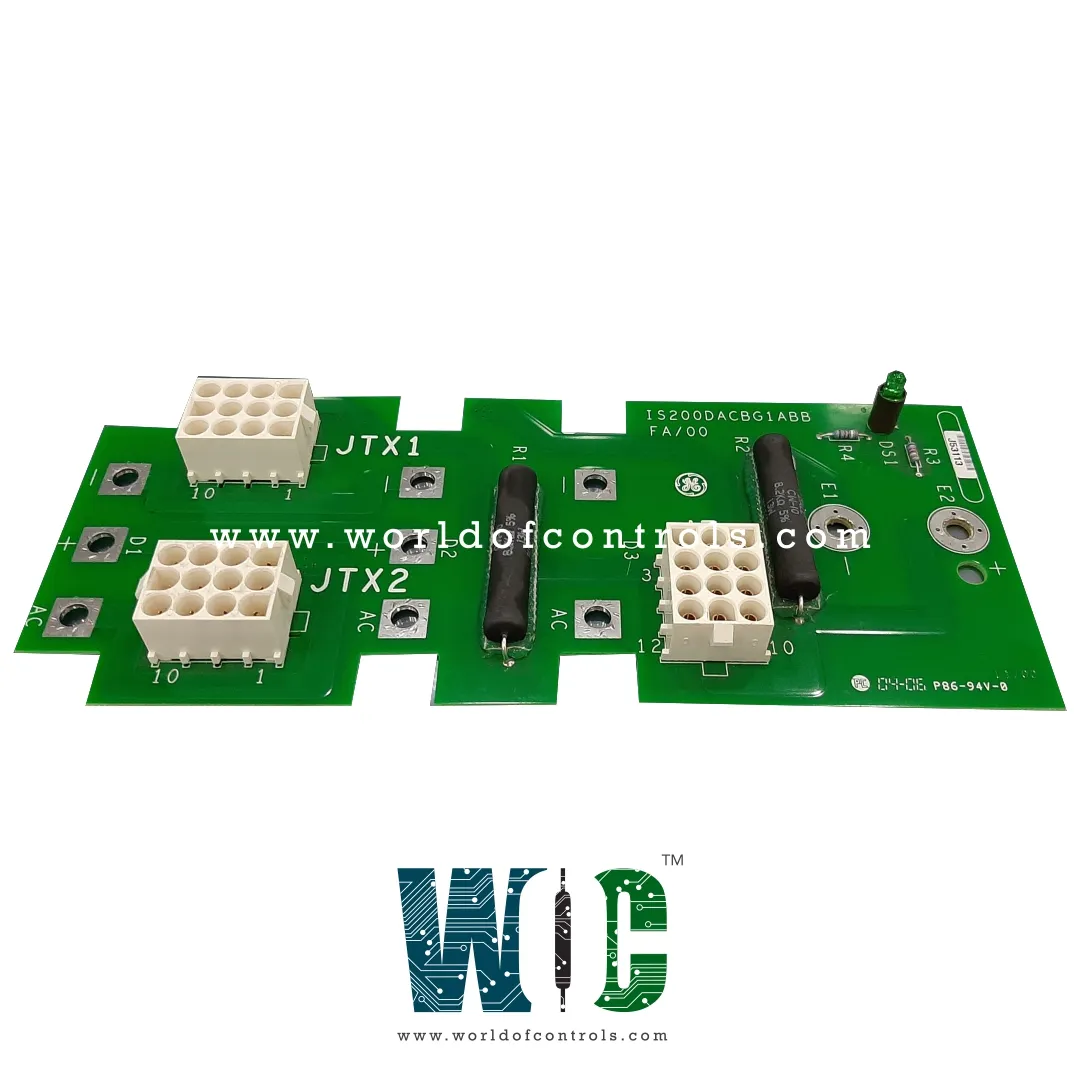
IntroductionIndustrial turbine systems are among the most complex and demanding machines used in power generation and heavy industrial applications. Whether in gas turbines, steam turbines, or combined-cycle plants, these systems rely heavily on stable electrical infrastructure to maintain efficiency and operational safety. One of the key components supporting turbine automation and control is the AC/DC converter power supply module.These modules ensure that critical turbine control systems receive consistent and regulated power, enabling reliable communication between sensors, controllers, processors, and monitoring equipment. In modern turbine environments, efficient power conversion technology is essential for maintaining uninterrupted operations and reducing the risk of equipment failure.What Are AC/DC Converter Modules?AC/DC converter modules are electronic devices designed to convert alternating current (AC) into direct current (DC). Industrial facilities typically receive electrical energy in AC form, but many turbine control systems and electronic devices require stable DC power for proper operation.These converter modules regulate incoming electrical power and provide the correct voltage levels needed by turbine automation systems. They are engineered to operate in harsh industrial environments where heat, vibration, and electrical interference are common.In turbine systems, AC/DC converter modules serve as the backbone of reliable electrical distribution and control functionality.The Role of Power Supply Modules in Turbine SystemsPower supply modules play a critical role in ensuring the stable operation of turbine control systems. Since turbines operate continuously under demanding conditions, even minor power fluctuations can impact system performance or lead to costly shutdowns.Ensuring System StabilityConverter modules help maintain consistent voltage and current levels across turbine control equipment. This stability protects sensitive electronic components from electrical disturbances.Supporting Turbine AutomationModern turbines rely on automated control systems to regulate speed, temperature, pressure, and fuel management. AC/DC converter modules provide the stable power required for these advanced automation processes.Reducing Operational DowntimeUnstable power supplies can cause unexpected turbine interruptions and equipment failures. Reliable power conversion systems help minimize downtime and improve overall plant productivity.Protecting Critical ComponentsIndustrial turbine systems contain complex electronic assemblies that require clean and regulated DC power. Converter modules help protect these components from surges, voltage drops, and electrical noise.Applications in the Turbine IndustryAC/DC converter modules are widely used throughout the turbine industry due to their importance in power management and system reliability.Gas Turbine Power PlantsIn gas turbine facilities, these modules support control systems responsible for combustion monitoring, turbine speed regulation, and safety protection mechanisms.Steam Turbine OperationsSteam turbine systems depend on stable electrical power for pressure controls, operational monitoring, and automated shutdown systems.Combined-Cycle Power PlantsCombined-cycle plants integrate multiple systems that require coordinated automation and reliable electrical performance. Converter modules help maintain seamless communication between these systems.Industrial Manufacturing FacilitiesMany industrial plants using turbine-driven equipment rely on AC/DC power supply modules to support process automation and continuous operation.Key Benefits of Reliable Converter ModulesUsing high-quality converter modules provides several operational and maintenance advantages in industrial turbine environments.Improved ReliabilityStable power conversion helps turbines operate efficiently with fewer unexpected failures.Enhanced Equipment LifespanConsistent voltage regulation reduces stress on electronic components, extending the lifespan of critical turbine equipment.Lower Maintenance CostsReliable power systems reduce the frequency of electrical faults and minimize repair requirements.Increased Operational EfficiencyEfficient power distribution supports better turbine performance and helps maintain consistent energy production.Maintenance ConsiderationsRegular inspection and preventive maintenance are essential for ensuring long-term performance of converter modules. Engineers typically monitor for signs of overheating, loose connections, voltage irregularities, and component wear.Routine maintenance helps identify potential issues before they lead to major operational disruptions. Proper environmental conditions, including ventilation and temperature control, also contribute to improved module reliability.ConclusionAC/DC converter modules are essential components in modern industrial turbine systems. By converting and regulating electrical power, they support reliable turbine control, automation, and operational safety. Their role in maintaining stable power distribution helps improve efficiency, reduce downtime, and protect critical equipment in demanding industrial environments.As turbine technology continues to advance, dependable power conversion systems will remain a key part of achieving reliable and efficient industrial operations across the global energy sector.

G
George Philips
May 18, 2026 45 Reads

Custom T Shirt Printing in Pune | ISO-Certified Service

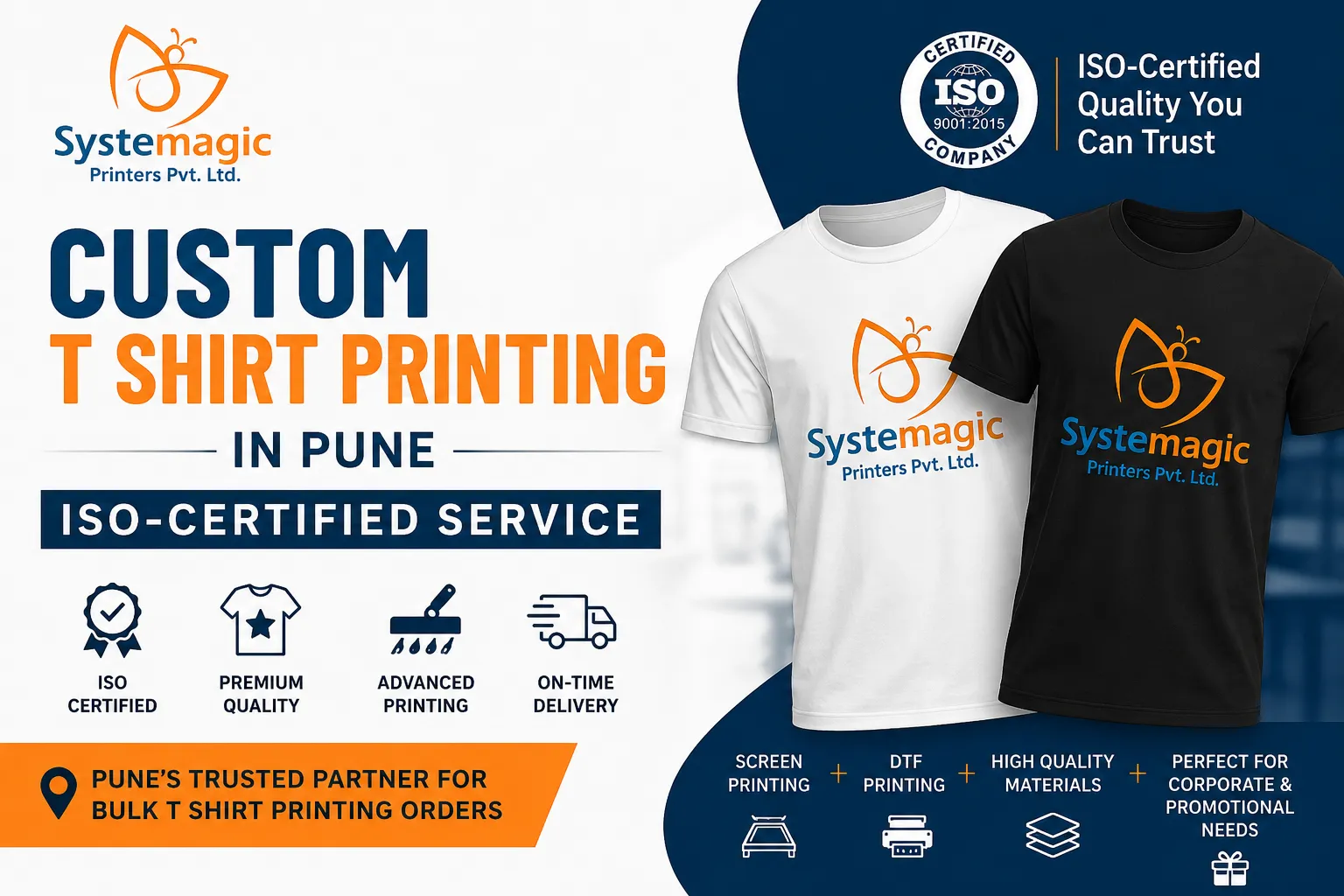
A delayed dispatch of 800 branded tees can wreck an entire campaign launch. We've seen procurement teams spend weeks approving artwork, only to receive faded logo placements, mismatched fabric shades, or prints that crack after two washes. That’s usually what happens when buyers treat Custom T Shirt Printing as a commodity purchase instead of a production process with variables that actually matter.And yet, most suppliers still pitch only price.For wholesalers, procurement managers, and brand owners, T-Shirt Printing is tied directly to brand perception, retail margins, and repeat business. A poor logo print doesn’t just look bad. It increases returns, damages distributor confidence, and quietly kills reorder volume over the next quarter.The Printing Specification Detail Most Buyers SkipFabric GSM Changes the Entire Print OutcomeA 160 GSM cotton tee behaves very differently from a 220 GSM bio-washed blend during printing. Water-based inks absorb differently. Heat transfer reacts differently under curing temperatures. Even logo sharpness changes.Most buyers focus only on colour charts.That’s a mistake.According to a 2024 textile processing report from the Indian Technical Textile Association, nearly 18% of apparel print complaints were linked to fabric-print incompatibility rather than artwork errors. Buyers rarely ask about that during vendor discussions.Screen Printing vs DTF vs SublimationNot every printing method suits every order size or usage condition.Screen PrintingBest for bulk runs above 300 pieces with solid colour logos. Lower per-unit cost after setup. Strong durability if curing temperatures are controlled properly.Bad suppliers rush curing cycles to save electricity. The print looks fine initially, then cracks after repeated washing.DTF (Direct-to-Film)Suitable for multi-colour branding and smaller MOQ orders. Good detail reproduction for promotional campaigns and startup merchandise.Which means artwork quality matters far more than buyers expect. A low-resolution logo file will show every flaw during transfer.Sublimation PrintingUsed mostly for polyester sportswear and event jerseys. Excellent colour vibrancy. Poor choice for dark cotton fabrics.Nobody tells you this upfront because some vendors will accept unsuitable jobs just to secure the PO.Logo Placement Tolerances MatterProfessional Logo T Shirt Print work follows measurable placement standards. Chest logos shifted even 1.5 cm off-centre become obvious in retail displays.A supplier who says, “alignment differences happen,” is warning you before the problem even starts.Wash Testing Is Harder Than Buyers ExpectProper wash testing takes time. Real testing involves multiple wash cycles, heat exposure, and stretch evaluation. Many vendors simply rub the print manually and call it “tested.”That isn’t testing.Five Supplier Evaluation Criteria That Actually Protect Your Margins1. Ask for Process Documentation, Not Just SamplesA polished sample means very little if the production batch is outsourced later.Ask:Who handles printing in-house?What curing temperatures are maintained?Is there a batch inspection process?A bad answer sounds like: “We manage quality manually.”That usually means there is no documented system.2. Verify Print RepeatabilityConsistency across 500 pieces matters more than perfection on two showroom samples.According to a 2023 FICCI apparel manufacturing survey, repeat-order rejection rates increased by 11% mainly because suppliers failed colour consistency checks between batches.Ask suppliers for:Batch photosPantone matching referencesPrevious bulk production records3. Inspect Packaging StandardsFold quality, moisture protection, barcode placement, and carton strength affect resale condition during transport.Most buyers notice packaging problems only after distributor complaints arrive.A poor supplier response: “We pack according to requirement.”That statement means nothing unless specifications are written down.4. Confirm Actual Production CapacitySome vendors accept 5,000-piece orders while operating machines built for 800-piece weekly output. The result is subcontracting, delayed dispatches, and inconsistent print quality.Which means your procurement risk quietly multiplies after PO approval.5. Check Certification ValidityAn ISO-certified facility should have updated process records, audit history, and traceable workflows.A lapsed certificate isn’t a paperwork issue. It usually signals operational inconsistency somewhere deeper in the factory.How Reliable T-Shirt Printing Protects Buyer ProfitabilityFewer Returns From Retail PartnersAccurate T Shirt Printing Services reduce peeling, fading, and stitching complaints. That lowers replacement costs and protects dealer relationships.Better Brand Recall During PromotionsSharp print definition improves logo visibility during exhibitions, corporate events, and retail campaigns. Small print distortions become highly visible under event lighting.Predictable Reorder CyclesReliable suppliers make forecasting easier. Procurement teams hate uncertainty more than they hate higher pricing.Lower Hidden Logistics CostsIncorrect carton counts and inconsistent sizing create warehouse reconciliation delays. A disciplined T-Shirt Printing Service reduces those downstream issues.Improved Distributor ConfidenceDistributors reorder faster when first shipments arrive correctly labelled, correctly packed, and without print defects.Trust compounds quietly in B2B.Reduced Campaign DelaysMarketing launches tied to apparel distribution are unforgiving. One delayed shipment can disrupt dealer meets, trade expos, or franchise launches scheduled months ahead.Why T-Shirt Printing in Pune Makes Operational SensePune has become a strong apparel and promotional manufacturing hub partly because of its logistics positioning. Access to Mumbai freight networks, industrial printing supply chains, and western India distribution routes reduces lead-time variability compared to many Tier-2 cities.That matters more than buyers admit.For brands looking for T-Shirt Printing in Pune, vendor accessibility also improves inspection control. Procurement teams can physically verify print runs instead of depending entirely on WhatsApp photos.And for urgent dispatches, proximity matters. A same-week correction is possible when production happens locally.Buyers searching for Custom T Shirt Printing in Pune or Logo T Shirt Printing in Pune often underestimate how much freight coordination impacts final landed cost.We Learned Early That Cheap Ink Creates Expensive ProblemsAt Systemagic, we’ve worked with wholesalers, institutional buyers, retailers, and brand owners who needed consistency more than marketing promises.We operate from Shukrawar Peth and handle production with documented quality checks because large-volume printing leaves very little room for “adjustments later.”Back in 2021, we stopped using one polyester blend after repeated UV-fade complaints from outdoor event clients in Rajasthan and Gujarat. The fabric cost was lower. The complaints cost more. We changed suppliers instead of arguing with buyers.That’s how long-term production decisions are actually made.Our ISO-certified processes are designed for repeatability, not showroom sampling. And yes, there’s a difference.Send Us the Specs Before You Send the POIf you're sourcing Custom T Shirt Printing Services for dealer events, retail branding, institutional campaigns, or promotional distribution, send us:Artwork filesRequired quantityFabric preferenceGSM requirementDelivery timelinePackaging specificationsWe typically respond within one business day.MOQ discussions depend on print method and fabric type, but we handle both small controlled runs and bulk commercial orders.Final Thoughts on Choosing the Right T-Shirt Printing PartnerGood Custom T Shirt Printing is operational discipline disguised as merchandise production. Buyers who evaluate only unit pricing usually pay for it later through returns, delays, or inconsistent branding. The stronger suppliers talk openly about limitations, testing methods, and production realities because that’s what keeps repeat orders stable. As promotional apparel demand keeps rising across India, procurement decisions around T-Shirt Printing will become more quality-sensitive, not less.FAQsWhat is the best printing method for bulk T-Shirt Printing orders?When an order is more than 300-500 t-shirts and the design is simple, the best option is usually screen printing. This is the most economical of the options. It is a method that provides a durable design and, after the setup is complete, is a lower cost option on a per-unit basis. For designs that have multiple colors, DTF printing may be a better option even though it has a slightly higher cost of production.How long do Custom T Shirt Printing Services usually take?Custom T-Shirt printing services have different timelines based on many variables such as the fabric, how quickly the art is approved, and the size of the orders. For a bulk order, the fabric printing can take between 7-15 working days. If a company guarantees a large order of fabric prints in less than 2 days and they have not promised to confirm stock, it is probable that they have an outsourced production service.Can Logo T Shirt Printing Services match Pantone colors?Almost, but not exactly as some fabrics do not match Pantone colors exactly. Quality screen printing companies can get very close, but if you have mixed-fabric garb, dye may get absorbed slightly. Quality supply companies will outline the acceptable limits for tolerances.Why do some T-shirt prints crack after washing?Usually due to an incorrect combination of the fabric and the type of printing ink. The more printing that can be done in a shorter time cycle, the more likely this is to happen.Is Custom T Shirt Printing in Pune suitable for nationwide distribution?Yes, this is very possible due to the optimal freight shipping accessibility to the logistics routes in the western parts of India. This drastically decreases dispatch variability for distributors handling campaigns that span multiple Indian states.What files should buyers send for Logo T Shirt Print approval?The best option is an AI or an AI and EPS file in addition to a high quality PDF. For production, pulled images in PNG format from the website can cause a very noticeable distortion on the outer edges the print will be.How Can I Find Trustworthy T-Shirt Printing Services?See if they can provide samples showing identical prints, an example of a printed shirt after it's been washed, sample showing how they pack orders, and how their printing process works. Good businesses answer your questions and provide proper feedback. Bad businesses avoid questions and like to keep everything in the grey area.

s
syste magic
May 18, 2026 38 Reads

Custom Oval Roll Labels for Impactful Branding

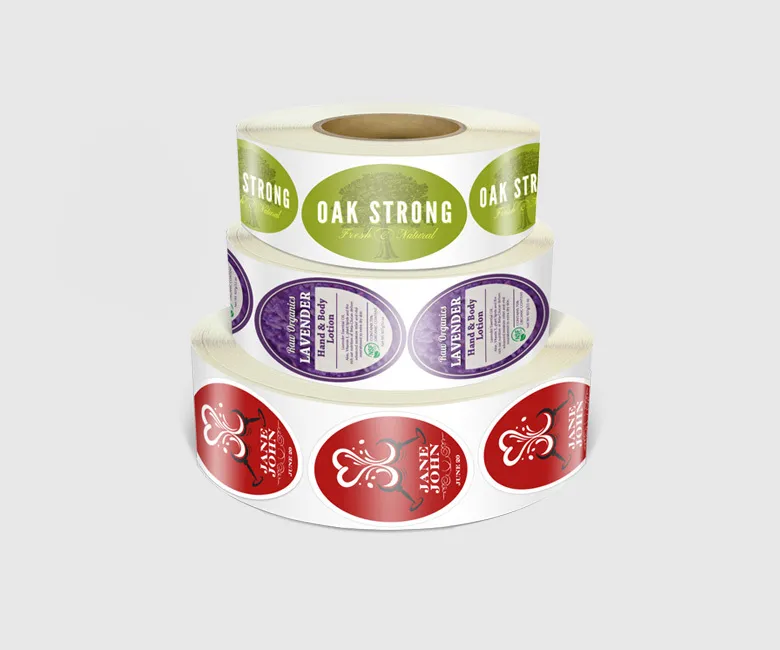
Custom Oval Roll Labels are a highly necessary branding tool for companies that desire a clean, professional and catchy appearance on their packaging. These tags can assist in making products conspicuous on shelves and enabling brands of any size to have powerful identification. Modern printing methods allow creating the subject matter with clear detail and uniform quality. They can be easily applied to any industry and enhance the recognition and customer trust, and it is quite an effective option, both among startups and established companies wanting to enjoy greater exposure for the products presented.Design FlexibilityCustom oval roll labels for business provide a lot of flexibility in design,which makes it suitable in terms of branding for nearly any need. Businesses have options of various sizes, ones with different finishes, and colours to suit their brand of product. The oval form is smooth and is also modern in appearance, and can be placed on many surfaces of the package. Such flexibility provides continuity of the brand among products. Even minor alterations to designers could be made with haste, as they assist companies to remain receptive to fashion and consumer choice without a professional view.Branding ImpactGood branding helps customers to be recognised and these labels help to increase that visibility. The consistent visual elements employed between the packaging can make a lasting impression on customers by brands on custom oval roll labels with logo, providing a professional approach to brand reinforcement. The shape of labels is more appealing,g and therefore the products stand out better on the shelves. Quality finishing also enhances the value of items. This will render branding to be more integrated and powerful across the various marketing media.Material QualityStrong adhesive materials are used to come up with these labels that stick to various surfaces. Oval roll labels are printed on ovals, which are not affected by handling and storage conditions. They do not easily fade or smudge and leave a clean appearance to the product over time. Depending on their branding attitude, businesses have the option of glossy or matte finishes. Its material is also reliable, making labels remain intact during transportation and retail display, which aids in a professional presentation at any time.Printing PrecisionThe use of high-resolution printing so that all details can be seen on the packaging is clear. This is particularly crucial to brands that are visually based. Drucker Printed oval roll labels are bold and present high saturation and accurate reproduction of logos. Expert printing devices are used to ensure consistency during large-volume production. Organizations enjoy the advantage of having a superficial appearance which reinforces their market share. Effective and accurate printing also aids in communicating product information to the customers.Business ApplicationsThese labels can be used in various industries and are, hence, a versatile packaging method. They are used in food products, cosmetics and other types of products to meet different branding objectives of business help companies to produce a professional image of various product lines. Their reliability in performance and appealing outlook are the advantages of small and big businesses alike. They can be used to suit the promotional and daily packaging needs, thus being a convenient option when utilizing contemporary brands.Wholesale OptionBulk buying is of prime importance to businesses that have a high labelling need. It saves on total expenses as well as maintains a constant flow of supplies. Custom oval roll labels Wholesale will enable businesses to achieve large-scale manufacturing in an efficient way. This method will assist in branding in various batches. Companies do not have to be afraid of shortages since they can plan long-term packages. It is a good remedy for expanding brands that need inexpensive yet quality labelling solutions.Application EaseAnother attribute that renders these labels very practical is the ease of application. They have a smooth peeling and can be placed easily on the packaging surfaces in an oval shape. Custom roll labels make labelling of the packaging area easy, and they will save time when production is taking place. The bonding of the adhesive is such that there will be no bubbles or mismatching. This assists companies in being efficient in rapidly changing environmental conditions. The easy-to-use design also accommodates both the small operation and maintenance setup of large manufacturing.Marketing AdvantageMarketing requires a visual aspect, and packaging is one of the key elements in capturing customers. Printed Stickers Solution helps to increase the visibility of products and make them attractive on the shelves. Their distinct design makes them differentiate their products among the competitors in saturated markets. The clean design helps in effective communication with customers at the point of sale. This enables them to be a useful means to enhance brand awareness and purchase desire.ConclusionOral Roll Labels Custom started to be considered a strong solution as such a brand wanted to have a strong packaging identity and visual appeal. They are flexible, durable and professionally designed in order to aid effective product presentation in industries. Their strong appreciation of recognition and continuity of branding is beneficial to businesses. Such labels are also simpler to deal with in terms of packaging and the perception of the overall value of the products. An investment in them works towards making a lasting impression of entrenching customer confidence and promoting long-term brand development in competitive markets today in a most potent manner.

h
henry arthur
May 18, 2026 52 Reads

How Invoice Factoring Can Help Reduce Your Business Tax Burden?

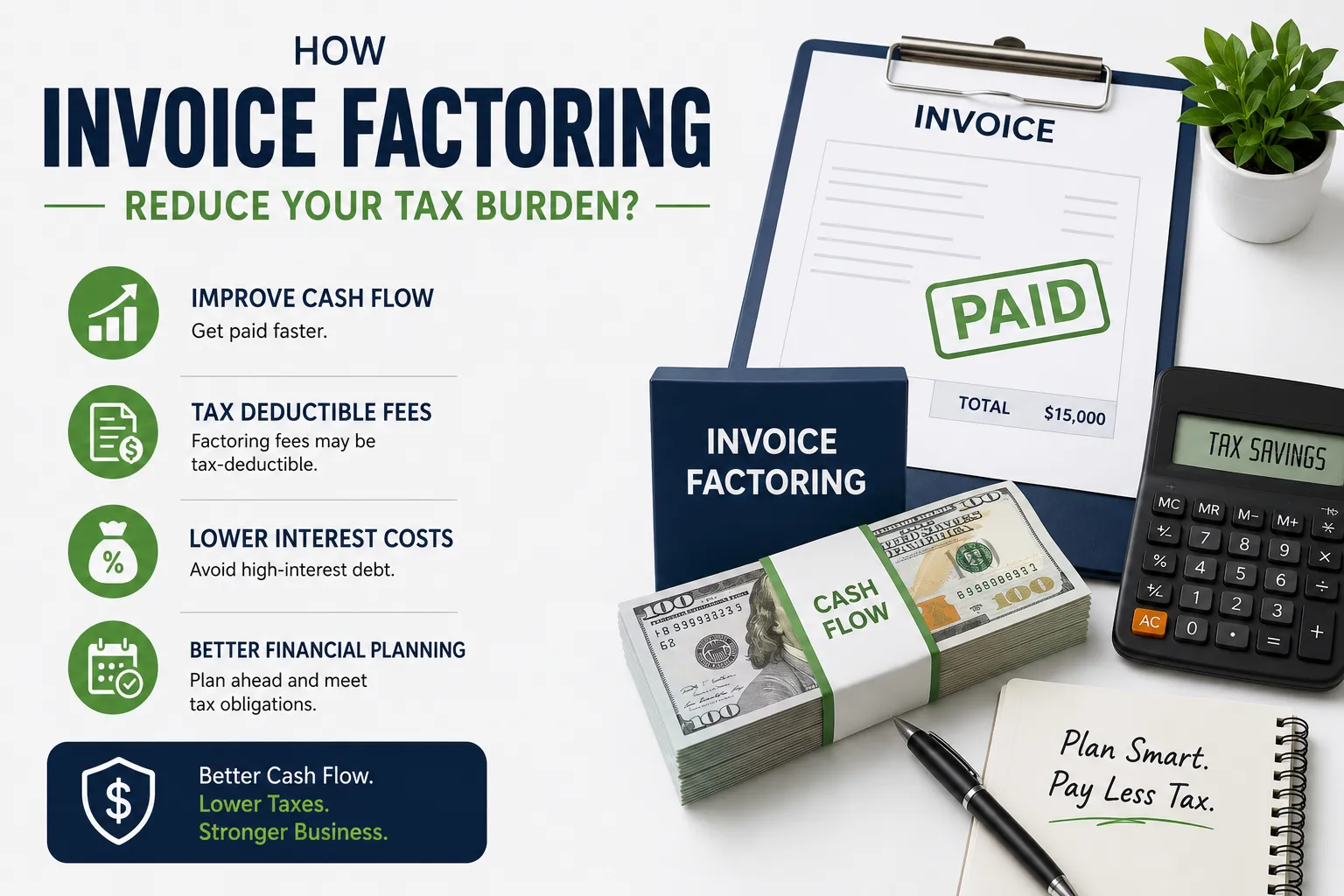
Almost every growing business has had this exact experience at the end of the tax year. You had a great twelve months, you hit all your sales targets, and your order book is full. Then your accountant sends you your tax bill, and you realise you have almost no cash in the bank to pay it. Almost all of your profit is tied up in unpaid invoices that your customers will pay in 60 days. You end up paying far more tax than you expected, and you have to borrow money just to pay the bill.Almost none of them will tell you that invoice factoring is one of the most effective and underused tax planning tools available to most businesses. This is not a trick or a loophole; this is standard accounting treatment that almost every accountant will confirm. For most smaller businesses, small business invoice factoring will almost always deliver the clearest and most straightforward tax advantages in the UK.Can Invoice Factoring Actually Reduce Your Business Tax Burden?This is not a claim that factoring will erase your tax bill entirely. It is a claim that, when used correctly, it can reduce your tax burden significantly and legally.Invoice factoring is almost always marketed exclusively as a cash flow solution. Even most factoring companies themselves will rarely mention the tax benefits. This is partly because most sales teams do not understand it themselves, and partly because HMRC has never challenged this treatment. The core difference that makes this work is very simple. Factoring is not a loan; it is the sale of an asset. That single distinction changes everything about how it is treated for tax.The Core Accounting Difference That Impacts TaxAlmost the entire tax benefit comes down to one single difference in classification. This is not opinion, this is standard UK GAAP and HMRC guidance. Treatment Bank Overdraft Invoice Factoring Classification Debt Sale of receivables Balance sheet impact Increases liabilities No change to net assets Fee tax treatment Partially deductible 100% fully deductible Timing impact Fixed Fully flexible The Three Specific Tax Benefits Of FactoringNone of these are loopholes, none of these will attract attention from HMRC. All of these are standard accepted treatments that have been in place for over 20 years.Fully Deductible FeesThis is the single biggest and most underrated benefit of factoring. Every single fee that you pay to a factoring company is a 100% allowable deduction against your taxable profit. This is not the case for bank loans, overdrafts, or almost any other form of business finance. For a business paying 25% corporation tax, this immediately reduces the net cost of factoring by one quarter.●      Every fee, discount, and charge is fully deductible●      No restriction or cap applies to this deduction●      You get full tax relief in the same year you pay the fee●      This treatment is explicitly confirmed in HMRC guidanceControl Over Timing Of Income And ExpensesThis is the benefit that will have the biggest impact for most businesses. Factoring gives you complete control over when you recognise income and expenses within a single tax year. You can choose to bring income forward into the current year or push expenses forward into the next year, depending on what makes the most sense for your tax position. Almost no other financial tool gives you this level of control.●      Smooth out large spikes in taxable profit between years●      Avoid moving into a higher tax bracket by accident●      Align income and expenses far more accurately●      Plan your tax position with far more certaintyEliminate Tax On Unreceived MoneyThis is the benefit that hits almost every growing business. Almost all businesses in the UK use accruals accounting. This means that you pay tax on an invoice the day you send it, not the day you get paid. You can easily end up in a position where you owe 25% tax on money that you will not receive for another 90 days. Factoring completely removes this extremely common problem.●      You never pay tax on money you do not hold●      You do not have to borrow money to pay tax on unpaid invoices●      You eliminate the single biggest cash flow gap for most businesses●      This benefit is almost entirely unknown to most business ownersStrategic Use Cases For Maximum Tax BenefitThere are three very specific situations where factoring will have a far larger impact on your tax bill than any other tax planning tool.●      At the end of a very strong trading year, to reduce excess profit●      When you are about to cross the 25% small profits rate threshold●      When you have a large number of invoices outstanding at year's endChoosing The Right Provider For Maximum BenefitIf you want to access all of these benefits, you need to use a correctly structured facility. Not all factoring arrangements qualify for this tax treatment. There are a large number of invoice finance companies in the UK, but very few will structure the agreement correctly to maximise your tax benefit. ●      Ensure the agreement is structured as a true sale of receivables●      Confirm that all fees will be classified fully as operating expenses●      Avoid any facility that is classified as debt for accounting purposes●      Ask your accountant to review any agreement before you signConclusionThis is one of the most underused legitimate tax-planning tools available to small and medium-sized businesses in the UK right now. Invoice factoring will never eliminate your tax bill, and it is not the right solution for every single business. But for any business that carries unpaid invoices on its books, it can deliver a combination of cash flow and tax efficiency that almost no other financial product can match.Most business owners will spend dozens of hours looking for small ways to reduce their tax bill, and completely ignore this one very simple option.FAQsDoes HMRC accept this treatment of invoice factoring?Yes, this treatment has been explicitly confirmed by HMRC and has been standard practice for over 20 years.Will using factoring trigger an investigation from HMRC? No, there is no connection between using factoring and the increased risk of HMRC inspection.Can I use this for end-of-year tax planning? Yes, this is one of the most effective last-minute tax-planning tools available to most businesses.

R
Rosie Joe