Types of Coating Used For Packaging
By Jack Alexa
368 Views
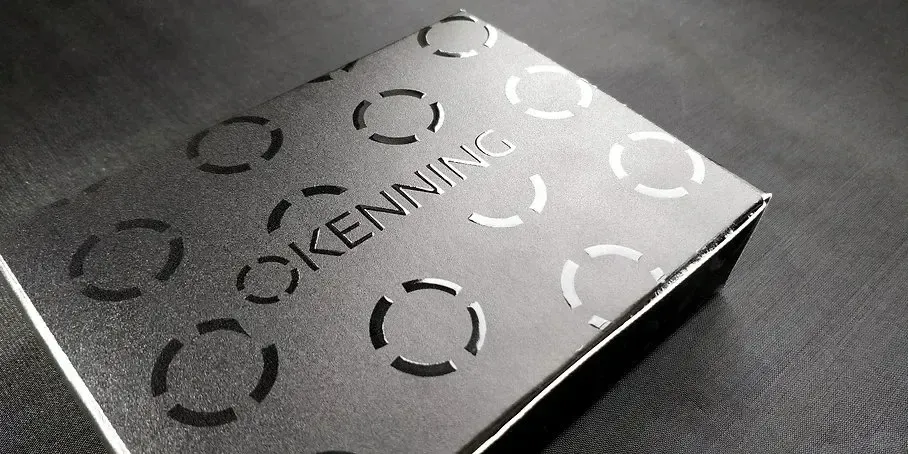
Packaging plays a critical role in product protection, branding, shelf appeal, and customer experience. Modern packaging is no longer limited to structural design alone. The finishing and coating applied to packaging materials directly influence durability, appearance, texture, moisture resistance, and printing quality. Businesses across industries rely on specialized coatings to improve packaging performance and create a premium presentation that attracts customers instantly.
Understanding the different types of coating used for packaging helps manufacturers, retailers, and brand owners choose the ideal finishing solution for their products. From glossy finishes that create a luxurious shine to protective coatings that extend shelf life, packaging coatings have become an essential component of modern packaging production.
What Are Packaging Coatings?
Packaging coatings are protective or decorative layers applied to packaging materials such as cardboard, paperboard, corrugated boxes, labels, cartons, and flexible packaging. These coatings improve the physical and visual properties of packaging while also adding resistance against environmental damage, scratches, oils, moisture, and chemicals.
Coatings can be applied during printing or after the printing process using specialized coating techniques, and what is UV coating? They are widely used in industries including cosmetics, food, pharmaceuticals, electronics, retail, and luxury goods packaging.
Importance of Coatings in Packaging
Packaging coatings provide several important advantages for businesses and consumers alike. These benefits include:
- Enhanced visual appeal
- Increased product protection
- Improved resistance to moisture and grease
- Better print durability
- Scratch resistance
- UV protection
- Extended shelf life
- Improved customer experience
- Premium branding presentation
Brands that invest in high-quality coating solutions often achieve stronger market visibility and better consumer engagement.
Common Types of Coating Used For Packaging
There are several packaging coating options available in the market. Each coating serves unique purposes depending on packaging requirements, product type, and branding goals.
Gloss Coating
Gloss coating is one of the most popular finishing options in the packaging industry. It creates a smooth, reflective, and shiny surface that enhances color vibrancy and graphic sharpness.
Features of Gloss Coating
- High shine and reflective finish
- Brightens printed colors
- Smooth surface texture
- Premium appearance
Benefits of Gloss Coating
Gloss coating improves visual impact and makes packaging stand out on retail shelves. It is especially effective for cosmetic packaging, electronics boxes, luxury products, and promotional packaging.
Best Applications
- Cosmetic boxes
- Retail packaging
- Product catalogs
- Luxury gift packaging
- Food cartons
Matte Coating
Matte coating offers a soft, non-reflective surface that gives packaging an elegant and sophisticated appearance. Unlike gloss coating, matte finishes reduce glare and create a refined texture.
Features of Matte Coating
- Smooth velvety texture
- Non-glossy finish
- Soft appearance
- Modern premium style
Benefits of Matte Coating
Matte coatings are ideal for luxury branding because they communicate exclusivity and sophistication. They also improve readability by reducing light reflection.
Best Applications
- Premium product boxes
- Luxury packaging
- Perfume boxes
- Jewelry packaging
- High-end electronics
UV Coating
UV coating is a highly durable coating cured instantly using ultraviolet light. It creates a hard protective layer that offers excellent resistance to scratches and abrasions.
Types of UV Coating
Spot UV Coating
Spot UV applies gloss coating only to selected design areas such as logos, graphics, or text.
Advantages
- Creates contrast and texture
- Enhances branding elements
- Premium visual effect
- Excellent shelf appeal
Full UV Coating
Full UV coating covers the entire packaging surface with a glossy protective finish.
Advantages
- Superior shine
- Strong durability
- Excellent protection
- Improved print quality
Industries Using UV Coatings
- Cosmetic industry
- Luxury retail
- Pharmaceutical packaging
- Electronic products
- Promotional packaging
Aqueous Coating
Aqueous coating is a water-based protective coating commonly used in commercial printing and packaging production. It is environmentally friendly and dries quickly.
Advantages of Aqueous Coating
- Eco-friendly solution
- Fast drying time
- Resistant to fingerprints
- Low odor
- Cost-effective
Types of Aqueous Coating
Gloss Aqueous Coating
Provides moderate shine while maintaining environmental sustainability.
Matte Aqueous Coating
Creates a soft finish with eco-friendly characteristics.
Satin Aqueous Coating
Offers a balance between gloss and matte finishes.
Applications
- Food packaging
- Pharmaceutical cartons
- Folding cartons
- Corrugated packaging
Varnish Coating
Varnish coating is a traditional packaging finish applied to printed materials for added protection and visual enhancement. It can be applied inline during printing.
Types of Varnish Coating
Gloss Varnish
Enhances brightness and sharpness.
Matte Varnish
Creates a subtle, elegant finish.
Satin Varnish
Combines moderate shine with soft texture.
Benefits of Varnish Coating
- Economical option
- Improves durability
- Enhances graphics
- Fast production process
Common Uses
- Product labels
- Brochures
- Folding cartons
- Retail packaging
Soft Touch Coating
Soft touch coating creates a velvety tactile feel that enhances customer interaction with the packaging. It is often associated with luxury and premium branding.
Characteristics of Soft Touch Coating
- Smooth velvet texture
- Elegant appearance
- Luxurious customer experience
- Fingerprint resistance
Industries That Prefer Soft Touch Coating
- Luxury cosmetics
- Mobile phone packaging
- Jewelry boxes
- Premium electronics
- Fashion accessories
Soft touch coatings significantly improve perceived product value and consumer engagement.
Anti-Scratch Coating
Anti-scratch coating protects packaging surfaces from scuffs, scratches, and abrasions during transportation and retail handling.
Advantages
- Maintains packaging appearance
- Improves durability
- Prevents surface damage
- Extends shelf presentation quality
Applications
- Luxury packaging
- Electronics boxes
- Rigid boxes
- High-end cosmetic packaging
Barrier Coating
Barrier coatings are specialized protective layers designed to prevent moisture, oxygen, grease, and contaminants from penetrating packaging materials.
Key Functions
- Extends product shelf life
- Prevents contamination
- Preserves freshness
- Protects sensitive products
Industries Using Barrier Coatings
- Food industry
- Pharmaceutical packaging
- Beverage packaging
- Frozen food packaging
Barrier coatings are essential for products requiring advanced preservation and hygiene protection.
Heat Seal Coating
Heat-seal coatings allow packaging materials to be sealed using heat and pressure. These coatings are commonly used in flexible packaging and food containers.
Benefits
- Secure product sealing
- Leak prevention
- Extended freshness
- Tamper evidence
Applications
- Food pouches
- Snack packaging
- Pharmaceutical sachets
- Flexible packaging
Metallic Coating
Metallic coatings create reflective metallic effects that add luxury and premium appeal to packaging from custom design packaging.
Features
- High-end appearance
- Reflective metallic finish
- Strong visual attraction
- Enhanced branding
Popular Metallic Colors
- Gold
- Silver
- Bronze
- Copper
Applications
- Cosmetic boxes
- Perfume packaging
- Gift packaging
- Luxury product cartons
Pearlescent Coating
Pearlescent coatings provide a shimmering effect similar to pearls. These coatings create visual depth and elegance.
Benefits
- Unique appearance
- Premium shelf impact
- Sophisticated branding
- Decorative enhancement
Industries Using Pearlescent Coatings
- Beauty products
- Luxury cosmetics
- High-end retail products
- Special edition packaging
Food Safe Coatings
Food-safe coatings are specially formulated to comply with food safety regulations and prevent contamination.
Advantages
- Safe for direct food contact
- Moisture resistance
- Grease resistance
- Product preservation
Applications
- Bakery packaging
- Fast food boxes
- Beverage carriers
- Frozen food cartons
Eco-Friendly Packaging Coatings
Sustainable packaging has become a major priority for modern brands. Eco-friendly coatings reduce environmental impact while maintaining packaging performance.
Common Sustainable Coatings
- Water-based coatings
- Biodegradable coatings
- Compostable coatings
- Recyclable barrier coatings
Benefits
- Reduced environmental footprint
- Improved brand reputation
- Consumer preference alignment
- Regulatory compliance
Businesses adopting sustainable packaging coatings often gain stronger customer trust and long-term market advantages.
How to Choose the Right Packaging Coating
Selecting the ideal packaging coating depends on several important factors.
Product Type
Different products require different levels of protection. Food items need barrier protection, while luxury items benefit from premium visual finishes.
Brand Identity
Glossy finishes communicate vibrancy, while matte and soft-touch coatings convey elegance and sophistication.
Durability Requirements
Products exposed to shipping stress require anti-scratch and UV-resistant coatings.
Budget
Some coatings, such as varnish, are economical, while specialty coatings like soft touch and metallic finishes cost more.
Environmental Goals
Eco-conscious brands often prefer water-based and biodegradable coating solutions.
Future Trends in Packaging Coatings
The packaging industry continues to evolve with advanced coating technologies designed to improve sustainability and performance.
Smart Coatings
Innovative smart coatings can change color, detect freshness, or improve product tracking.
Nanotechnology Coatings
Nano-coatings provide enhanced barrier protection and antimicrobial properties.
Sustainable Innovations
Manufacturers are increasingly developing recyclable and compostable coating solutions to meet global sustainability standards.
Digital Enhancement Coatings
Advanced coatings compatible with digital printing are becoming more common in customized packaging production.
Conclusion
The various types of coating used for packaging play a vital role in improving packaging durability, functionality, and aesthetics. From glossy finishes and matte textures to UV coatings and eco-friendly solutions, each coating offers unique advantages for specific packaging applications.
Modern brands use packaging coatings not only for protection but also to strengthen branding, attract consumers, and create memorable unboxing experiences. Choosing the right coating solution helps businesses enhance product value, improve customer satisfaction, and achieve stronger shelf presence in competitive markets.