Category

Technology & IT

Comprehensive discussions and expert insights revolving around technology & it trends and best practices.

May 18, 2026 222 Reads

Server Hard Drives for Modern IT Infrastructure

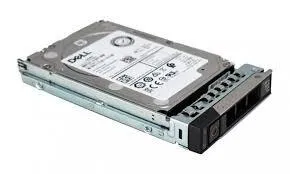
In today’s fast-paced digital landscape, businesses generate and process massive amounts of data every day. From cloud computing and virtualization to enterprise databases and online applications, reliable storage solutions are essential for maintaining smooth business operations. At the center of this storage ecosystem are server hard drives, which play a critical role in ensuring data availability, performance, and security. As organizations continue investing in advanced IT Hardware and Computer Hardware systems, choosing the right server hard disk has become more important than ever.Unlike standard desktop storage devices, server hard drives are specifically designed to handle enterprise workloads, continuous operation, and multiple user requests simultaneously. They are built for reliability, scalability, and efficiency, making them an essential component of modern data centers and enterprise environments. Whether a company operates a small business server or a large cloud infrastructure, server hard drives provide the foundation for stable and high-performing IT systems.Understanding Server Hard DrivesServer hard drives are enterprise-grade storage devices developed for use in servers and data centers. Unlike consumer hard drives, which are built for occasional or personal use, server hard disks are engineered to function continuously, often 24 hours a day and seven days a week. Their primary role is to store operating systems, databases, applications, virtual machines, and mission-critical business data.As part of enterprise IT Hardware, these drives are optimized for reliability and performance under demanding workloads. In a professional Computer Hardware environment, server hard drives are expected to deliver consistent speed, reduced latency, and long operational life. This makes them significantly different from standard desktop hard drives, which may not withstand constant enterprise-level operations.The increasing reliance on digital platforms has made server hard disks one of the most important components in modern business infrastructure. Organizations now depend on high-performance storage solutions to maintain uninterrupted services, support remote operations, and process large-scale data efficiently.Why Server Hard Drives Are ImportantEvery server requires reliable storage to perform effectively. Without dependable server hard drives, businesses may experience data loss, slow application performance, and costly downtime. Since enterprise systems often support multiple users simultaneously, the storage infrastructure must be able to handle large amounts of data traffic without interruptions.Server hard drives are essential for maintaining business continuity. They ensure that databases remain accessible, applications run smoothly, and backup systems operate efficiently. In enterprise IT Hardware environments, even a few seconds of downtime can affect productivity and customer satisfaction. For this reason, organizations invest in high-quality server hard disks designed specifically for reliability and endurance.Modern Computer Hardware systems also rely on server hard drives to support virtualization and cloud computing technologies. Virtual machines and cloud applications require fast and stable storage access, which enterprise-grade drives are built to provide. As businesses continue to adopt digital transformation strategies, the role of server hard drives becomes even more significant.Different Types of Server Hard DrivesThere are several types of server hard drives available in the market, each designed for different workloads and storage requirements. Traditional hard disk drives (HDDs) remain widely used because they provide large storage capacities at relatively lower costs. Enterprise HDDs often feature higher rotational speeds, such as 10,000 RPM or 15,000 RPM, allowing faster data access compared to standard desktop drives.Solid-state drives (SSDs) are another popular option in enterprise IT Hardware systems. Unlike HDDs, SSDs use flash memory and have no moving parts. This allows them to deliver faster performance, lower latency, and improved reliability. SSD-based server hard disks are ideal for applications requiring quick data access, such as databases, virtualization platforms, and high-performance computing environments.NVMe drives represent the latest advancement in server hard drive technology. These drives connect directly through PCIe interfaces, enabling significantly higher data transfer speeds than traditional SATA-based storage solutions. In modern Computer Hardware infrastructures, NVMe server hard disks are commonly used for artificial intelligence workloads, real-time analytics, and large-scale cloud applications.Key Features of Enterprise Server Hard DisksServer hard drives include several enterprise-grade features that distinguish them from consumer storage devices. One of the most important features is durability. These drives are designed to handle nonstop workloads and continuous read/write operations without compromising performance.Another major feature is advanced error correction technology. Enterprise server hard disks use sophisticated error detection systems to maintain data integrity and prevent corruption. In mission-critical IT Hardware environments, ensuring accurate and secure data storage is essential for operational success.Hot-swapping capability is another valuable feature found in many server hard drives. This allows IT administrators to replace or upgrade drives without shutting down the server. In large enterprise Computer Hardware environments, this feature minimizes downtime and improves maintenance efficiency.Additionally, server hard disks often include vibration resistance and thermal management technologies. Since data centers typically contain multiple drives operating in close proximity, these features help maintain stability and consistent performance.Performance Considerations for Server Hard DrivesPerformance is a critical factor when selecting server hard drives. Different business applications require different levels of speed, storage capacity, and reliability. Metrics such as input/output operations per second (IOPS), throughput, and latency are commonly used to measure drive performance.For example, transactional databases and virtualization systems require high-speed server hard disks capable of handling frequent read and write operations. SSDs and NVMe drives are often preferred in these environments because of their superior speed and low latency.On the other hand, file storage and backup systems may prioritize capacity over performance. In such cases, enterprise HDDs provide a cost-effective solution for storing large volumes of data. A balanced IT Hardware strategy often combines multiple types of server hard drives to optimize both performance and storage capacity.RAID configurations are also commonly used with server hard drives to improve reliability and speed. RAID technology distributes data across multiple drives, providing redundancy and reducing the risk of data loss. In enterprise Computer Hardware systems, RAID setups play a crucial role in maintaining operational continuity.Reliability and Data ProtectionOne of the biggest advantages of server hard drives is their reliability. Enterprise-grade drives are designed to operate continuously under demanding conditions while maintaining consistent performance. Their higher mean time between failures (MTBF) ratings make them a dependable choice for critical business operations.Server hard disks also support advanced data protection features. Power-loss protection mechanisms help prevent data corruption during unexpected outages, while enterprise caching systems improve performance and reliability. These features are especially important in IT Hardware environments where data integrity is a top priority.Backup and disaster recovery strategies also rely heavily on server hard drives. Businesses use enterprise storage systems to create secure backups and ensure rapid recovery in case of hardware failure or cyberattacks. Reliable server hard disks help organizations minimize downtime and protect valuable information.Scalability in Modern IT InfrastructureAs businesses expand, their storage requirements continue to grow. Server hard drives provide the scalability needed to support increasing data demands. Modern enterprise storage solutions allow organizations to add or replace drives without redesigning their entire infrastructure.Scalable server hard disk systems are particularly important in cloud computing and hybrid environments. Businesses can increase storage capacity as needed while maintaining consistent performance. In enterprise Computer Hardware setups, scalability helps organizations adapt to changing business needs efficiently.High-capacity server hard drives also support the growing use of big data analytics and artificial intelligence applications. These technologies require massive amounts of storage and processing power, making enterprise-grade IT Hardware solutions more important than ever.Energy Efficiency and Cost BenefitsEnergy efficiency has become a major concern in data centers and enterprise environments. Modern server hard drives are designed to consume less power while delivering improved performance. This helps businesses reduce operational costs and minimize environmental impact.Although enterprise server hard disks typically cost more than consumer drives, they provide better long-term value. Their durability, reliability, and advanced features reduce maintenance costs and minimize downtime. Investing in high-quality Computer Hardware components helps businesses achieve greater operational efficiency over time.The Future of Server Hard DrivesAs technology continues to evolve, server hard drives are becoming faster, more efficient, and more reliable. Innovations in storage technology are enabling higher capacities and improved performance, supporting the growing demands of modern IT infrastructure.Emerging technologies such as artificial intelligence, edge computing, and cloud-native applications will continue driving the need for advanced server hard disks. Enterprise IT Hardware manufacturers are constantly developing new solutions to meet these changing requirements.Despite the rise of cloud services, physical server hard drives will remain a core component of enterprise storage systems. They provide the reliable foundation needed to support applications, virtual environments, and digital services across industries.ConclusionServer hard drives are an essential part of modern enterprise storage infrastructure. Designed for durability, performance, and scalability, they enable businesses to manage and protect critical data effectively. Whether using traditional HDDs, SSDs, or advanced NVMe storage solutions, organizations rely on server hard disks to support demanding workloads and maintain operational continuity.As businesses continue investing in advanced IT Hardware and Computer Hardware systems, the importance of reliable server hard drives will only continue to grow. By choosing the right enterprise storage solutions, organizations can improve performance, reduce downtime, and prepare for future technological advancements.

s
stephen
May 18, 2026 148 Reads

Why Lenovo ThinkPad Is Still the Most Reliable Laptop You Can Buy

There is a reason IT departments around the world keep ordering ThinkPads year after year. It is not loyalty. It is not habit. It is the fact that these laptops simply do not break down when everything else does.I have used a lot of laptops over the years. MacBooks, Dell XPS, HP EliteBook, Surface — all solid machines in their own way. But when someone asks me what to buy if they want something that will still be running strong five years from now without drama, I always say the same thing.Lenovo ThinkPad.Here is why.The Build Quality Is Not MarketingEvery laptop brand claims durability. Most of them mean "it survived our drop test once."ThinkPads are MIL-STD certified — they go through military grade testing for temperature, humidity, vibration, altitude, and physical shock. This is not a badge they slap on the box. It is a testing standard that means the laptop was designed from the ground up to survive conditions that would destroy most consumer laptops.The hinges are legendary. I have seen ThinkPads opened and closed thousands of times with zero wobble. The keyboard deck does not flex. The chassis does not creak. After two years of daily use a ThinkPad still feels like a new machine in your hands.Compare that to most consumer laptops where the lid starts to wobble after six months and you can feel the plastic giving way near the hinges by year two.The Keyboard Changed How I TypeThis sounds like an exaggeration. It is not.ThinkPad keyboards have more key travel than almost any other laptop on the market. The feedback is tactile and accurate. You can type for four hours straight without your fingers feeling like they need a break.Developers love ThinkPads for this reason. Writers love ThinkPads for this reason. Anyone who spends most of their day typing eventually ends up on a ThinkPad for this reason.I switched back to a MacBook for a year thinking I was missing out. The MacBook keyboard is fine. It is perfectly acceptable. But going back to a ThinkPad keyboard felt like coming home.ThinkPads Age Better Than Almost Anything ElseThis is the part most laptop reviews miss completely.A ThinkPad bought today will perform well for 5 to 7 years with proper use. The build quality holds up. The components were chosen for longevity not spec sheet impressiveness. Many models allow easy RAM and SSD upgrades so you can extend the life of the machine without replacing it entirely.This is also exactly why refurbished ThinkPads make so much sense. A three year old ThinkPad is not a tired machine on its last legs. It is a laptop that has barely hit its stride. The same reliability that makes new ThinkPads last so long also makes refurbished ThinkPads some of the best value purchases in the entire laptop market.If you are looking for Lenovo refurbished laptops that have been fully tested and certified, the ThinkPad lineup is where the real value lives — professional grade reliability at a price that is hard to argue with.The IdeaPad and ThinkBook Fill the GapsThinkPad is not the only reason to consider Lenovo.IdeaPad covers the student and everyday user market well. Affordable, lightweight, and reliable enough for daily tasks without the ThinkPad price premium. For someone who needs a dependable machine for university work, browsing, and video calls — IdeaPad does the job without drama.ThinkBook sits between the two. Modern design, professional performance, and a price point that works for small businesses and young professionals who want something more polished than IdeaPad without paying full ThinkPad prices.Lenovo essentially has a laptop for every type of user at every price point — and the build quality across all three lines is more consistent than most brands manage even at the premium end.The One Thing People Get Wrong About LenovoPeople assume that because ThinkPads look boring they are boring.The matte black chassis, the minimal design, the lack of RGB lighting and aggressive gaming angles — none of that is accidental. Lenovo made a deliberate choice to build laptops for people who need them to work rather than people who need them to impress.That restraint is exactly what makes them great. There is no wasted budget on aesthetics that do not add function. Every design decision serves the user.In a market full of laptops trying to look premium, ThinkPad is one of the few that actually is.Final ThoughtIf you need a laptop that will survive real daily use, feel great to type on, and still be performing reliably years from now — Lenovo ThinkPad is the answer. And if budget is a concern, a certified refurbished ThinkPad gives you everything above at a fraction of the original price. That combination of long term reliability and lower entry cost is genuinely hard to beat anywhere in the best refurbished laptops market right now.

E
Exact Solution
May 18, 2026 44 Reads

Why Pilot Plant Equipment Is Important for Modern Industrial Process Development

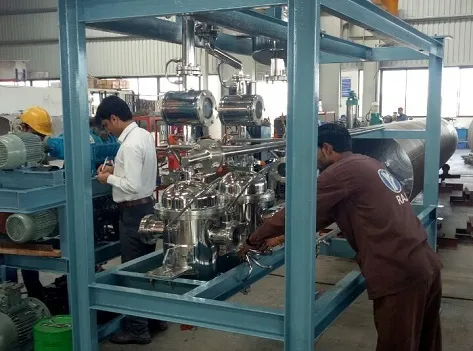
Industrial manufacturing has become more advanced and competitive than ever before. Industries today are constantly looking for ways to improve production efficiency, reduce operational downtime, and maintain product quality. To achieve these goals, businesses are increasingly investing in modern industrial process solutions.Industrial process equipment plays a major role in manufacturing operations across sectors such as pharmaceuticals, chemicals, food processing, engineering, and research industries. These systems help manufacturers improve operational performance and maintain smooth production processes.Understanding Industrial Process SolutionsIndustrial process solutions include technologies and equipment designed to support manufacturing and production activities. These systems are used for material handling, filtration, vacuum operations, heat transfer, mixing, drying, and process automation.Modern industries depend on different types of industrial equipment based on their operational requirements. Some commonly used systems include:Vacuum pumpsHeat exchangersFiltration systemsPilot plant equipmentIndustrial reactorsVacuum skidsDrying technologiesDistillation systemsThese technologies help manufacturers improve workflow efficiency while maintaining stable industrial operations.Why Modern Industries Need Advanced Process EquipmentManufacturing industries are facing increasing pressure to improve productivity while controlling operational expenses. Older systems often consume more energy and require frequent maintenance, which can affect overall business performance.Advanced process equipment solutions help industries solve these challenges by improving process reliability and reducing downtime.Modern industrial systems offer several advantages:Better production efficiencyReduced operational interruptionsImproved product qualityLower maintenance costsBetter energy efficiencySafer working environmentsAs industries continue to modernize, the demand for reliable engineering systems is also increasing.Importance of Vacuum Technology in ManufacturingVacuum systems are widely used in industrial manufacturing because they support several critical applications such as filtration, vacuum drying, solvent recovery, material transfer, and distillation.Industries prefer energy-efficient vacuum technologies because they help maintain stable production conditions while reducing operational costs.Dry Screw Vacuum Pumps and Liquid Ring Vacuum Pumps are among the most commonly used systems in pharmaceutical, chemical, and food processing industries.Reliable vacuum systems also help industries reduce contamination risks and improve process consistency.Role of Industrial Maintenance ServicesIndustrial maintenance services are important for ensuring the long-term performance of manufacturing equipment. Even advanced industrial systems require regular inspection and servicing to maintain operational stability.Preventive maintenance helps manufacturers avoid sudden equipment failures and production losses.Industrial maintenance services generally include:Equipment inspectionSystem performance testingSpare parts replacementVacuum pump servicingProcess troubleshootingOperational optimizationBusinesses that invest in proper maintenance often experience better productivity and fewer operational disruptions.Pilot Plant Equipment and Industrial ResearchPilot plant equipment is commonly used for research and process development. These systems allow industries to test manufacturing processes before full-scale commercial production.Pilot-scale systems help manufacturers:Analyze process efficiencyImprove production methodsReduce operational risksTest product qualityOptimize process parametersPilot plant technologies are especially useful for pharmaceutical and chemical industries where process accuracy is essential.Customized Engineering SolutionsEvery manufacturing facility has unique operational requirements. This is why many industries prefer customized engineering solutions designed according to their production needs.Customized systems help businesses improve operational flexibility and maintain better process control.Customized industrial solutions may include:Vacuum skidsAutomation systemsFiltration unitsHeat transfer systemsProcess integration technologiesThese solutions are widely used in manufacturing industries that require high operational efficiency and stable production performance.Future of Industrial Manufacturing TechnologiesIndustrial manufacturing is rapidly moving toward automation and sustainable production systems. Modern factories are adopting smart technologies that improve process monitoring and operational control.Energy-efficient systems and digital monitoring technologies are becoming essential for industries aiming to reduce operational costs and improve long-term productivity.Advanced process equipment solutions will continue to play a major role in supporting industrial growth and manufacturing efficiency.ConclusionIndustrial process equipment solutions have become essential for modern manufacturing industries. Advanced engineering systems help manufacturers improve productivity, maintain product quality, reduce downtime, and support efficient operations.From vacuum systems and filtration technologies to pilot plant equipment and industrial maintenance services, modern industrial solutions continue to improve manufacturing performance across multiple sectors.Businesses that invest in advanced industrial technologies today are better prepared for future industrial challenges and long-term growth.Website: https://www.ecoprocesssolutions.com/

E
Economy Process Solutions