Server Hard Drives for Modern IT Infrastructure
By stephen
818 Views
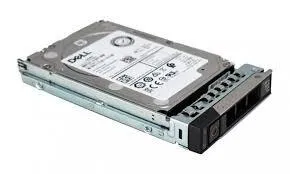
In today’s fast-paced digital landscape, businesses generate and process massive amounts of data every day. From cloud computing and virtualization to enterprise databases and online applications, reliable storage solutions are essential for maintaining smooth business operations. At the center of this storage ecosystem are server hard drives, which play a critical role in ensuring data availability, performance, and security. As organizations continue investing in advanced IT Hardware and Computer Hardware systems, choosing the right server hard disk has become more important than ever.
Unlike standard desktop storage devices, server hard drives are specifically designed to handle enterprise workloads, continuous operation, and multiple user requests simultaneously. They are built for reliability, scalability, and efficiency, making them an essential component of modern data centers and enterprise environments. Whether a company operates a small business server or a large cloud infrastructure, server hard drives provide the foundation for stable and high-performing IT systems.
Understanding Server Hard Drives
Server hard drives are enterprise-grade storage devices developed for use in servers and data centers. Unlike consumer hard drives, which are built for occasional or personal use, server hard disks are engineered to function continuously, often 24 hours a day and seven days a week. Their primary role is to store operating systems, databases, applications, virtual machines, and mission-critical business data.
As part of enterprise IT Hardware, these drives are optimized for reliability and performance under demanding workloads. In a professional Computer Hardware environment, server hard drives are expected to deliver consistent speed, reduced latency, and long operational life. This makes them significantly different from standard desktop hard drives, which may not withstand constant enterprise-level operations.
The increasing reliance on digital platforms has made server hard disks one of the most important components in modern business infrastructure. Organizations now depend on high-performance storage solutions to maintain uninterrupted services, support remote operations, and process large-scale data efficiently.
Why Server Hard Drives Are Important
Every server requires reliable storage to perform effectively. Without dependable server hard drives, businesses may experience data loss, slow application performance, and costly downtime. Since enterprise systems often support multiple users simultaneously, the storage infrastructure must be able to handle large amounts of data traffic without interruptions.
Server hard drives are essential for maintaining business continuity. They ensure that databases remain accessible, applications run smoothly, and backup systems operate efficiently. In enterprise IT Hardware environments, even a few seconds of downtime can affect productivity and customer satisfaction. For this reason, organizations invest in high-quality server hard disks designed specifically for reliability and endurance.
Modern Computer Hardware systems also rely on server hard drives to support virtualization and cloud computing technologies. Virtual machines and cloud applications require fast and stable storage access, which enterprise-grade drives are built to provide. As businesses continue to adopt digital transformation strategies, the role of server hard drives becomes even more significant.
Different Types of Server Hard Drives
There are several types of server hard drives available in the market, each designed for different workloads and storage requirements. Traditional hard disk drives (HDDs) remain widely used because they provide large storage capacities at relatively lower costs. Enterprise HDDs often feature higher rotational speeds, such as 10,000 RPM or 15,000 RPM, allowing faster data access compared to standard desktop drives.
Solid-state drives (SSDs) are another popular option in enterprise IT Hardware systems. Unlike HDDs, SSDs use flash memory and have no moving parts. This allows them to deliver faster performance, lower latency, and improved reliability. SSD-based server hard disks are ideal for applications requiring quick data access, such as databases, virtualization platforms, and high-performance computing environments.
NVMe drives represent the latest advancement in server hard drive technology. These drives connect directly through PCIe interfaces, enabling significantly higher data transfer speeds than traditional SATA-based storage solutions. In modern Computer Hardware infrastructures, NVMe server hard disks are commonly used for artificial intelligence workloads, real-time analytics, and large-scale cloud applications.
Key Features of Enterprise Server Hard Disks
Server hard drives include several enterprise-grade features that distinguish them from consumer storage devices. One of the most important features is durability. These drives are designed to handle nonstop workloads and continuous read/write operations without compromising performance.
Another major feature is advanced error correction technology. Enterprise server hard disks use sophisticated error detection systems to maintain data integrity and prevent corruption. In mission-critical IT Hardware environments, ensuring accurate and secure data storage is essential for operational success.
Hot-swapping capability is another valuable feature found in many server hard drives. This allows IT administrators to replace or upgrade drives without shutting down the server. In large enterprise Computer Hardware environments, this feature minimizes downtime and improves maintenance efficiency.
Additionally, server hard disks often include vibration resistance and thermal management technologies. Since data centers typically contain multiple drives operating in close proximity, these features help maintain stability and consistent performance.
Performance Considerations for Server Hard Drives
Performance is a critical factor when selecting server hard drives. Different business applications require different levels of speed, storage capacity, and reliability. Metrics such as input/output operations per second (IOPS), throughput, and latency are commonly used to measure drive performance.
For example, transactional databases and virtualization systems require high-speed server hard disks capable of handling frequent read and write operations. SSDs and NVMe drives are often preferred in these environments because of their superior speed and low latency.
On the other hand, file storage and backup systems may prioritize capacity over performance. In such cases, enterprise HDDs provide a cost-effective solution for storing large volumes of data. A balanced IT Hardware strategy often combines multiple types of server hard drives to optimize both performance and storage capacity.
RAID configurations are also commonly used with server hard drives to improve reliability and speed. RAID technology distributes data across multiple drives, providing redundancy and reducing the risk of data loss. In enterprise Computer Hardware systems, RAID setups play a crucial role in maintaining operational continuity.
Reliability and Data Protection
One of the biggest advantages of server hard drives is their reliability. Enterprise-grade drives are designed to operate continuously under demanding conditions while maintaining consistent performance. Their higher mean time between failures (MTBF) ratings make them a dependable choice for critical business operations.
Server hard disks also support advanced data protection features. Power-loss protection mechanisms help prevent data corruption during unexpected outages, while enterprise caching systems improve performance and reliability. These features are especially important in IT Hardware environments where data integrity is a top priority.
Backup and disaster recovery strategies also rely heavily on server hard drives. Businesses use enterprise storage systems to create secure backups and ensure rapid recovery in case of hardware failure or cyberattacks. Reliable server hard disks help organizations minimize downtime and protect valuable information.
Scalability in Modern IT Infrastructure
As businesses expand, their storage requirements continue to grow. Server hard drives provide the scalability needed to support increasing data demands. Modern enterprise storage solutions allow organizations to add or replace drives without redesigning their entire infrastructure.
Scalable server hard disk systems are particularly important in cloud computing and hybrid environments. Businesses can increase storage capacity as needed while maintaining consistent performance. In enterprise Computer Hardware setups, scalability helps organizations adapt to changing business needs efficiently.
High-capacity server hard drives also support the growing use of big data analytics and artificial intelligence applications. These technologies require massive amounts of storage and processing power, making enterprise-grade IT Hardware solutions more important than ever.
Energy Efficiency and Cost Benefits
Energy efficiency has become a major concern in data centers and enterprise environments. Modern server hard drives are designed to consume less power while delivering improved performance. This helps businesses reduce operational costs and minimize environmental impact.
Although enterprise server hard disks typically cost more than consumer drives, they provide better long-term value. Their durability, reliability, and advanced features reduce maintenance costs and minimize downtime. Investing in high-quality Computer Hardware components helps businesses achieve greater operational efficiency over time.
The Future of Server Hard Drives
As technology continues to evolve, server hard drives are becoming faster, more efficient, and more reliable. Innovations in storage technology are enabling higher capacities and improved performance, supporting the growing demands of modern IT infrastructure.
Emerging technologies such as artificial intelligence, edge computing, and cloud-native applications will continue driving the need for advanced server hard disks. Enterprise IT Hardware manufacturers are constantly developing new solutions to meet these changing requirements.
Despite the rise of cloud services, physical server hard drives will remain a core component of enterprise storage systems. They provide the reliable foundation needed to support applications, virtual environments, and digital services across industries.
Conclusion
Server hard drives are an essential part of modern enterprise storage infrastructure. Designed for durability, performance, and scalability, they enable businesses to manage and protect critical data effectively. Whether using traditional HDDs, SSDs, or advanced NVMe storage solutions, organizations rely on server hard disks to support demanding workloads and maintain operational continuity.
As businesses continue investing in advanced IT Hardware and Computer Hardware systems, the importance of reliable server hard drives will only continue to grow. By choosing the right enterprise storage solutions, organizations can improve performance, reduce downtime, and prepare for future technological advancements.