Understanding AC/DC Converter Modules in Industrial Turbine Systems
By George Philips
374 Views
Introduction
Industrial turbine systems are among the most complex and demanding machines used in power generation and heavy industrial applications. Whether in gas turbines, steam turbines, or combined-cycle plants, these systems rely heavily on stable electrical infrastructure to maintain efficiency and operational safety. One of the key components supporting turbine automation and control is the AC/DC converter power supply module.
These modules ensure that critical turbine control systems receive consistent and regulated power, enabling reliable communication between sensors, controllers, processors, and monitoring equipment. In modern turbine environments, efficient power conversion technology is essential for maintaining uninterrupted operations and reducing the risk of equipment failure.
What Are AC/DC Converter Modules?
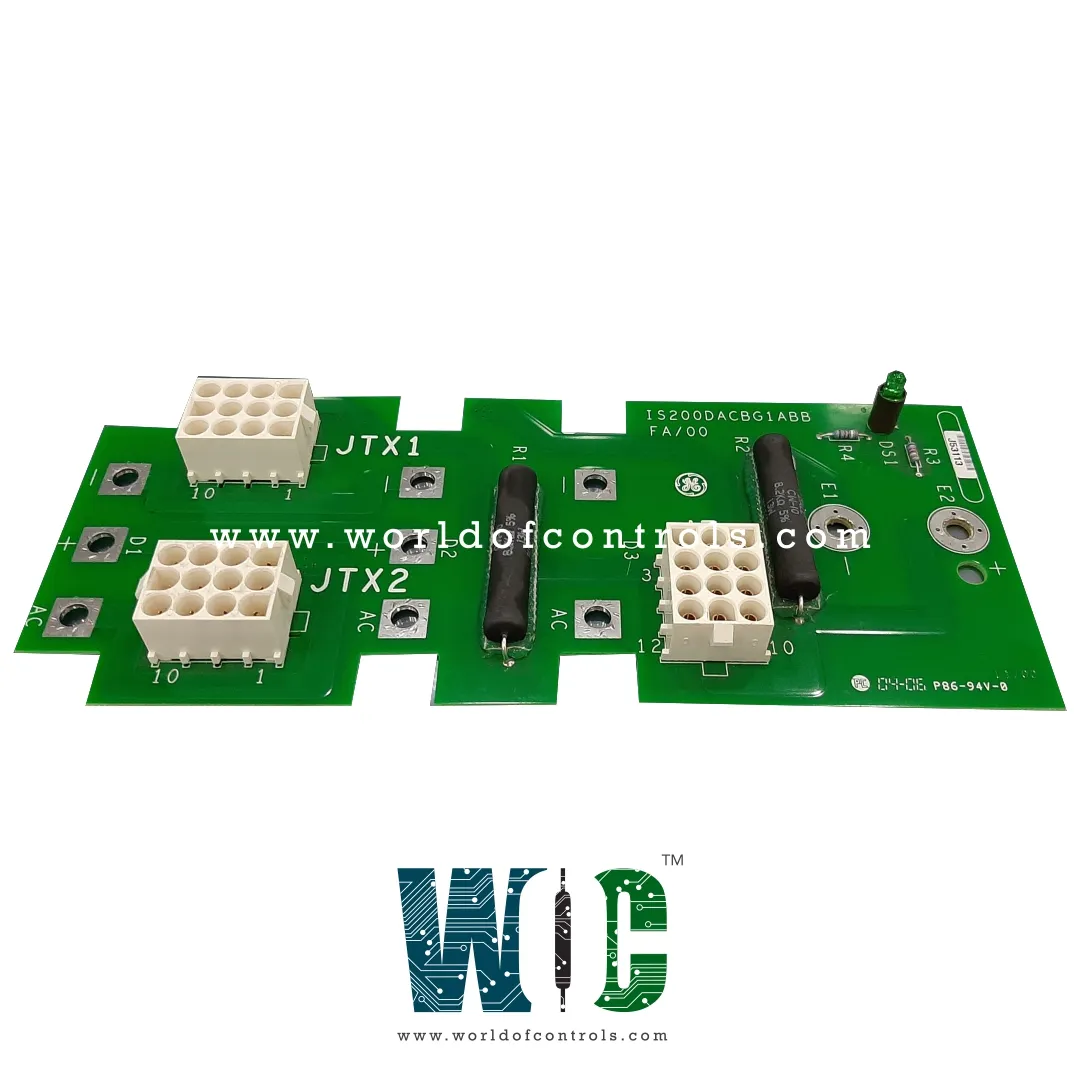
AC/DC converter modules are electronic devices designed to convert alternating current (AC) into direct current (DC). Industrial facilities typically receive electrical energy in AC form, but many turbine control systems and electronic devices require stable DC power for proper operation.
These converter modules regulate incoming electrical power and provide the correct voltage levels needed by turbine automation systems. They are engineered to operate in harsh industrial environments where heat, vibration, and electrical interference are common.
In turbine systems, AC/DC converter modules serve as the backbone of reliable electrical distribution and control functionality.
The Role of Power Supply Modules in Turbine Systems
Power supply modules play a critical role in ensuring the stable operation of turbine control systems. Since turbines operate continuously under demanding conditions, even minor power fluctuations can impact system performance or lead to costly shutdowns.
Ensuring System Stability
Converter modules help maintain consistent voltage and current levels across turbine control equipment. This stability protects sensitive electronic components from electrical disturbances.
Supporting Turbine Automation
Modern turbines rely on automated control systems to regulate speed, temperature, pressure, and fuel management. AC/DC converter modules provide the stable power required for these advanced automation processes.
Reducing Operational Downtime
Unstable power supplies can cause unexpected turbine interruptions and equipment failures. Reliable power conversion systems help minimize downtime and improve overall plant productivity.
Protecting Critical Components
Industrial turbine systems contain complex electronic assemblies that require clean and regulated DC power. Converter modules help protect these components from surges, voltage drops, and electrical noise.
Applications in the Turbine Industry
AC/DC converter modules are widely used throughout the turbine industry due to their importance in power management and system reliability.
Gas Turbine Power Plants
In gas turbine facilities, these modules support control systems responsible for combustion monitoring, turbine speed regulation, and safety protection mechanisms.
Steam Turbine Operations
Steam turbine systems depend on stable electrical power for pressure controls, operational monitoring, and automated shutdown systems.
Combined-Cycle Power Plants
Combined-cycle plants integrate multiple systems that require coordinated automation and reliable electrical performance. Converter modules help maintain seamless communication between these systems.
Industrial Manufacturing Facilities
Many industrial plants using turbine-driven equipment rely on AC/DC power supply modules to support process automation and continuous operation.
Key Benefits of Reliable Converter Modules
Using high-quality converter modules provides several operational and maintenance advantages in industrial turbine environments.
Improved Reliability
Stable power conversion helps turbines operate efficiently with fewer unexpected failures.
Enhanced Equipment Lifespan
Consistent voltage regulation reduces stress on electronic components, extending the lifespan of critical turbine equipment.
Lower Maintenance Costs
Reliable power systems reduce the frequency of electrical faults and minimize repair requirements.
Increased Operational Efficiency
Efficient power distribution supports better turbine performance and helps maintain consistent energy production.
Maintenance Considerations
Regular inspection and preventive maintenance are essential for ensuring long-term performance of converter modules. Engineers typically monitor for signs of overheating, loose connections, voltage irregularities, and component wear.
Routine maintenance helps identify potential issues before they lead to major operational disruptions. Proper environmental conditions, including ventilation and temperature control, also contribute to improved module reliability.
Conclusion
AC/DC converter modules are essential components in modern industrial turbine systems. By converting and regulating electrical power, they support reliable turbine control, automation, and operational safety. Their role in maintaining stable power distribution helps improve efficiency, reduce downtime, and protect critical equipment in demanding industrial environments.
As turbine technology continues to advance, dependable power conversion systems will remain a key part of achieving reliable and efficient industrial operations across the global energy sector.